Showing posts with label Rock and Roll Hall of Fame. Show all posts

Saturday, July 20, 2019

Odessey & Oracle vs. Sgt. Pepper’s Lonely Hearts Club Band

I was having dinner with folks from work awhile back, and we fell into a parlor game of sorts, taking turns asking questions of the table. Someone asked what would we select as the topic, were we given the task of making a documentary. One person said they’d do a film about immigration policy and another dinner participant announced a documentary about himself. My documentary topic choice was related to the hype I’d been reading, around that time, about the 50th anniversary of Sgt. Pepper’s Lonely Hearts Club Band by The Beatles. Specifically, my documentary would be about how The Zombies recorded a better album than The Beatles that year. Immediately, one participant texted her boyfriend to get a better opinion, and he immediately texted back: “It’s ridiculous to even suggest Rod Argent and Colin Blunstone were more talented than Lennon and McCartney, and of course Sgt. Pepper’s is superior; it’s one of the biggest-selling albums of all time!”

Okay, so first of all, I hadn’t suggested which musical partnership was “more talented,” (incidentally, Blunstone wasn’t a principle songwriter in the group, that would be Chris White, but that's just a pesky fact…) and if album sales equal “greatness,” then the following albums are “greater” than Sgt. Pepper’s:
  • The Bodyguard Soundtrack, by various artists 
  • Falling Into You, by Celine Dion
  • Music Box, by Mariah Carey
  • Oops! I did It Again, by Britney Spears
  • Backstreet’s Back, by Backstreet Boys
  • Spice, by Spice Girls
  • The Sign, by Ace of Base
To name just a handful. (But those aren't so much comparisons of quality than points on a graph...)

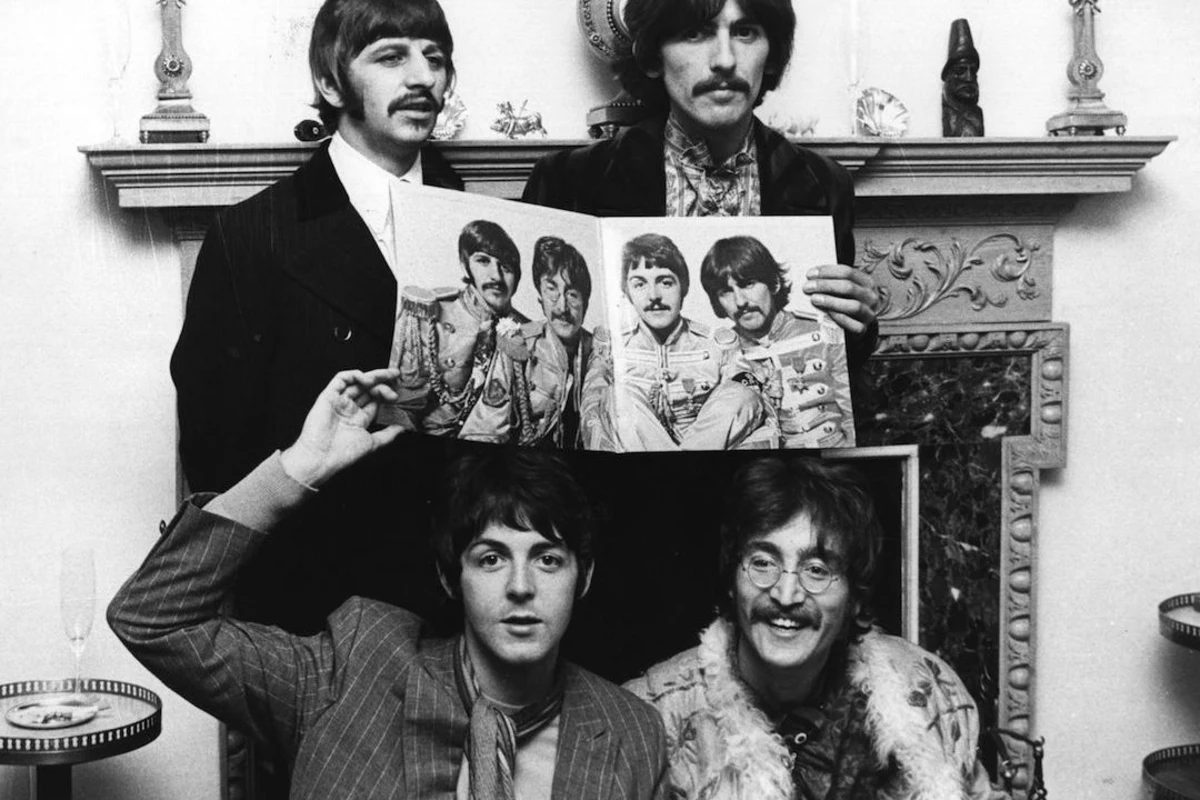
Sgt. Pepper's Lonely Hearts Club Band

Image result for sgt pepper's recording session

Just over 50 years ago, The Beatles released a collection of songs many, including my colleague’s boyfriend, consider to be the greatest rock and roll album of all time, Sgt. Pepper’s Lonely Hearts Club Band. When it was released, it was arguably the most anticipated album up to that time. With its iconic, hot-mess of a cover photograph and almost actual-sized gatefold photo in eye-popping fluorescent colors, it turned the pop culture world upside down. Langdon Winner recalls, “The closest Western Civilization has come to unity, since the Congress of Vienna, in 1815, was the week the Sgt. Pepper album was released.

Related image
Beatles Sgt. Pepper's Recording Session, Abbey Road Studios
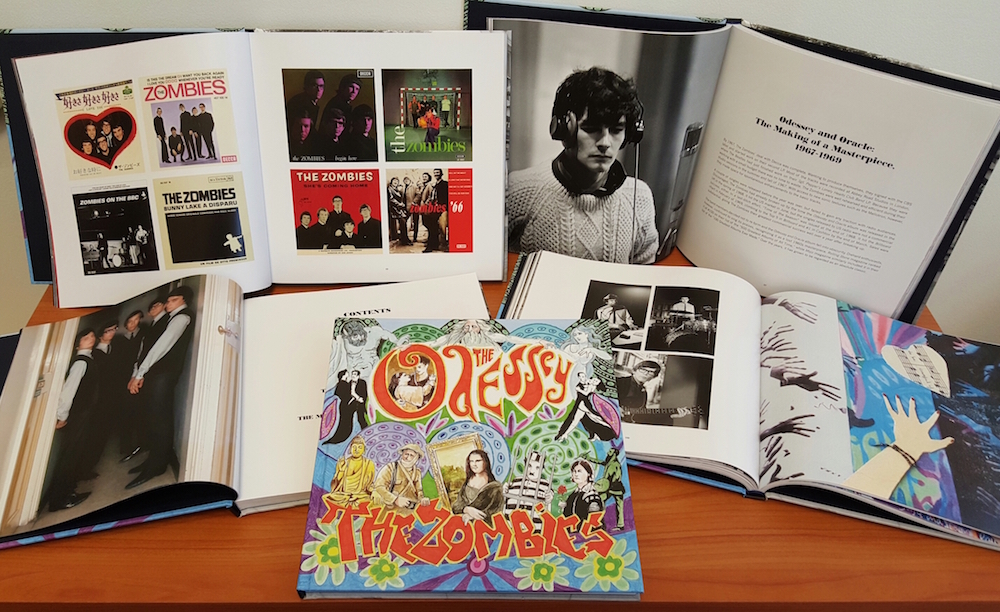
In every city in Europe and America the radio stations played [it] ... and everyone listened.” American radio stations interrupted their regular scheduling, playing the album virtually non-stop – often from start to finish. It occupied the number one position of the Billboard Top albums in the US for 15 weeks. Hippie cults even started looking for hidden messages in the lyrics and by playing the album backwards. In fact, the trend-chasing Rolling Stone magazine lists the album at #1 on their list of Top 500 Albums of All-Time. And by the way, it happens to be a decent album, but it’s definitely not the best Beatles album (let alone the “best album of all time”), and I’m positing, here, that one, relatively obscure (at the time...) album recorded in the same Abbey Road studio just weeks after the Fab Four left the building is head and shoulders better. That album, Odessey and Oracle, by The Zombies, turned 50 years-old last year.

Image result for zombies odessey and oracle recording sessions
Zombies Odessey & Oracle recording session, Abbey Road Studios
Odessey and Oracle was the last-gasp effort of a band widely known as a singles band, with their two, early singles going US Top 10 in 1964 (“She’s Not There,” #2 and “Tell Her No,” #6). For the next two years, the band struggled to sustain their initial chart success in the States, and their exceptional, underrated singles (“Leave Me Be,” “She’s Coming Home,” “Whenever You’re Ready,” “Is This The Dream,” etc.) failed to find a foothold on the radio. In the summer of 1967, the band made a one album, make-or-break deal with CBS Records. The budget was shoestring, so the band had no time for studio experimentation, bringing their tightly-rehearsed tunes into the studio. Serendipitously, the band was able to book time at Abbey Road Studio and followed The Lads into the studio, playing on some of the same instruments left behind by George, Paul, John, and Ringo and fueled by the extraordinary songs written by the band’s principle songwriters, Rod Argent and Chris White.

Image result for zombies odessey and oracle recording sessions

My full review of Odessey is here, so I’ll spend the rest of this column taking pot-shots at the mediocre Sgt. Pepper’s. It might be helpful to point out, here, that I’m not the only person to suggest that Sgt. Pepper’s isn’t worthy of its hype: it was voted the “Worst Record Ever Made” in a 1998 Melody Maker poll of pop stars, DJs, and journalists. Guardian critic, Richard Smith, wrote, "if not the worst, then certainly the most overrated album of all time." He also said that the "excruciating" LP was often ranked by members of the music press as the best ever due to affection for its pop cultural impact, and "not because of anything intrinsically great about the record." In 2015, Rolling Stones guitarist, Keith Richards, denounced the album as "a mishmash of rubbish, kind of like Satanic Majesties." In a 2005 BBC listener poll to determine the "Most Overrated Album in the World," Sgt. Pepper's placed at no. 7.

The Good Songs on Sgt. Pepper’s:
  1. Sgt. Pepper’s Lonely Hearts Club Band: Paul McCartney’s the champ on this album, turning in the best songs, including this title track, which introduces the concept of the album: an alter-ego band in concert. 
  2. Getting Better: Lightness and darkness frame this call-and-response song, with McCartney bringing the light and Lennon displaying his omnipresent violence (“I used to be cruel to my woman, I beat her and kept her apart from the things that she loved”). Paul’s always been my favorite Beatle, by the way. 
  3. Fixing a Hole: This contemplative McCartney tune has purportedly been about addressing pain and unresolved issues in one’s life, about obsessive and relentless fans, and/or about cannabis. 
  4. She’s Leaving Home: McCartney and Lennon co-wrote this song based upon a newspaper story about a girl who mysteriously left home and her parent’s resulting resentment and indignation.
  5. Good Morning Good Morning: I always thought this song sounded like a children’s breakfast cereal commercial, and it turns out, Lennon was inspired to write this song by a Kellogg’s Cornflakes commercial. And also by Pet Sounds. 
  6. A Day in the Life: Lennon and McCartney co-wrote the best song on the album, highly influenced by “Good Vibrations” and LSD. 
The Mediocre Songs on Sgt. Pepper’s:
  1. With a Little Help from My Friends: Joe Cocker covered this song, elevating a trifle album cut into one of the greatest rock-and-roll songs of all time. But on this album, it was a throwaway novelty. 
  2. When I’m Sixty-Four: Cute song; it’s a throwaway novelty. 
  3. Lovely Rita: Throwaway. 
The Shitty Songs on Sgt. Pepper’s:
  1. Lucy in the Sky with Diamonds: The most interesting thing about this song was the debate about whether it was about LSD, or was it a reference to young Julien’s artwork from school? Who cares? It’s an awful song. 
  2. Within You Without You: A muddy, psychedelic mess. It’s stressful just listening to it. I hate it. 
  3. Being for the Benefit of Mr. Kite: Like Harrison’s, “Within You, Without You,” this menacing track about a 19th-century circus poster is stressful to the ear. 
Friends, it’s simple math: Sgt. Peppers had 6 good songs on an album with 12 tracks. On the 12-track Odessey, every track is exceptional.

Zombies Odessey & Oracle recording session, Abbey Road Studios
And if you’re still not convinced, consider this: the Beatles were inducted into the Rock-and-Roll Hall of Fame as a result of their behemoth catalogue 13 studio albums and over 60 singles spanning 4 decades. Their output and massive success was staggering and will likely never be matched. The Zombies, conversely, were included in this elite rock-and-roll club on the strength of just 2 early hit singles and this perfect album.

Related image

Sunday, August 18, 2013

“Taming The Tiger,” by Joni Mitchell


Musically, Joni Mitchell’s 1998 album, Taming The Tiger, feels ethereal and dreamy, almost formless. Reminiscent of classic albums by Pat Metheny, Brian Eno, or even Beck’s heartbreaking, 2002 album, Sea Change. Ditching catchy pop hooks and melodies for atmospherics, on Taming The Tiger, Mitchell weaves a dramatic, often mournful, and sometimes mysterious sonic tapestry. The “samey” tone of the album might make one prematurely dismissive, but that would be a mistake, as Taming The Tiger holds some of Mitchell’s most creative lyrics and striking social commentary. And the similar, sorrowful hues of the album make sense: Tiger tells the story of Joni Mitchell at that particular moment in her life: a woman in her middle age, at the top of her craft - easily producing masterworks on a backstroke, reflecting on her wondrous experiences, reveling in the joys of the present, continuing her thoughtful critique of a civilization in decline, and ultimately, strangely, miraculously feeling peaceful about the entire enterprise.

In the joyous album opener, “Harlem In Havana,” Mitchell depicts a childhood memory of visiting the African-Cuban burlesque review that some suggest to be the beginning of rock-and-roll. Mitchell’s lyrics describe the “forbidden" sights and sounds on the midway, where they played so “snakey,” you couldn’t help how you felt: “Silver spangles, See 'em dangle in the farm boy's eyes...hootchie kootchie, Auntie Ruthie would've died if she knew we were on the inside!” In “Love Puts On A New Face,” Mitchell perfectly depicts the tranquility of a quiet moment with a loved one, “No telephone ringing, no company coming, just the lap of the lake and the firelight, and the lonely loon and the crescent moon, what a pocket of heavenly grace.” Indeed. And in “The Crazy Cries Of Love,” Mitchell joyously recounts two frenzied lovers losing themselves to reckless abandon, with “No paper thin walls, no folks above, no one else can hear the crazy cries of love,” and later in the café, “…they smile ear to ear and eye to eye, ice cream is melting on a piece of pie, oh, my my…” Playful. Truthful. Tender.

Mitchell summons English poet and painter William Blake (her kindred spirit and consistent source of inspiration) in the title track, an apt summation of the music industry in the mid-1990s, as personified, no doubt, by her victorious night at the Grammys a few years earlier, collecting a surprise trophy for “Best Pop Album.” The surprise being that the album, Turbulent Indigo, sold relatively few copies that year, and none of the teenagers buying records in 1994 could have hummed even one of its tunes. Inspired by lyrics from Blake’s poem, “The Tyger,” I’ve often wondered if the song describes her experience at the award ceremony that night as she must have, no doubt, reflected upon how her latest “golden egg” compared to the music of that moment (e.g., Ace Of Base, Coolio, Crash Test Dummies, etc.): a strange juxtaposition.

Another song, I suspect, about her experiences in the dog-eat-dog music industry, “Lead Balloon,” is probably her hardest rocking song, ever. It sounds eerily similar to the well-known story of Mitchell throwing her drink into the face of Rolling Stone Svengali, Jan Wenner, in the early 1970’s, sparking a grudge between the two that lasts to this day. The notorious incident incited what some have suggested a moratorium on all things "Joni Mitchell" in his popular magazine in the 1970’s. In fact, the publication routinely berated Mitchell’s late 1970’s masterworks, which were vindicated over time and are now widely regarded as some of her very best and enduring albums (incidentally, recent Rolling Stone publications have self-consciously corrected these scathing notices).

Taming The Tiger boasts some of Mitchell’s most tender poetry, including a remake of her heartbreaking “Man From Mars,” which was originally featured on a few thousand copies of the soundtrack to the obscure 1996 film, Grace Of My Heart, which borrowed its name from Mitchell's song and presented a fictionalized version of Carole King’s early career in pop music. In it, Mitchell sings about a lost love: “I fall apart every time I think of you swallowed by the dark. There is no center to my life now, no grace in my heart. Man from Mars: this time you went too far…” The version on Tiger is updated and of a piece with the sonic palette of the rest of the album. In the tender cajoling of “Facelift,” Mitchell affectionately recalls an argument with her mother, who disapproved of her “love without a license,” and in “Stay In Touch,” Mitchell describes the excitement, doubt, and hopeful tentativeness of navigating a burgeoning relationship with her (then) new-found daughter, whom she’d given up for adoption decades earlier: “Part of this is permanent, part of this is passing, so we must be loyal and wary
 - not to give away too much, until we build a firm foundation and empty out old habits:
 old habits. Stay in touch. We should stay in touch.”

Mitchell’s sooty vocals have been the brunt of harsh criticism since the early 1990’s, with one reviewer writing of this album, “Meanwhile, her voice has lost nearly all its power: thin and breathy, restricted to the middle of her former range - I wanted to cry listening to it.” Yes, Mitchell’s voice has changed over time, as have all singers still active after many decades, but I believe this is only problematic for artists known for a distinct vocal style or range. Mitchell has never been that kind of artist. Take Whitney Houston, for example. In the 1980’s, her voice could thrill with a whisper and then soar to unfathomable heights, but by the last decade of her tragic life, her once astounding instrument sounded raspy and lacked power, as if fighting back a coughing fit on every note. Mitchell’s voice has been evolving since her earliest, cold-water vocals from the Canyon, her sultrier, jazzy singing through the 1970’s, and her beautifully smoky-voiced style of the 1980’s and 1990’s.

What I love about Mitchell’s voice today is that it’s perfectly attuned to her music and lyrics in the present. She’s no longer the flower-beaded ingénue of the 1960’s or the 1970’s darling of the Hollywood elite. She’s not only survived, but she’s thrived through decades of disposable fashion and pop music trends, creating a classification all her own. In fact, Mitchell’s seasoned voice is now even better suited for some of her classic songs from decades past (e.g., “Circle Game,” “Both Sides Now,” “Big Yellow Taxi,” etc.). Taming The Tiger received middling to favorable reviews upon release, but all rather tepid from my perspective. That was 15 years ago, and the musical climate was steeped in the “juvenile junk food” of Spice Girls, ‘N Sync, Backstreet Boys, and even rock legend, Elton John’s awkwardly reworked (yet again) “Candle In The Wind,” performed at Princess Diana’s funeral and selling millions of copies along the way. It’s 2013, and like her late-1970’s work, I suspect Taming The Tiger will no doubt be vindicated with time, standing out as one of Mitchell's very best works.

Sunday, July 31, 2011

"Pieces, Aquarius, Capricorn & Jones Ltd.," by The Monkees

Everybody knows The Monkees story: the Hollywood trade newspaper, “Variety,” listed an ad titled, “Madness!” enlisting actors and musicians to play a Beatles-like, “Help”-inspired television program, and Micky Dolenz, Davy Jones, Peter Tork, and Michael Nesmith were selected out of hundreds of hopeful applicants, including (as legend has it) rock legend, Stephen Stills, and the murderous Charles Manson. After one season of the wildly successful “Monkees” television program and two number one albums, pressure from the rock press (who understandably questioned their rock cred - after all, they weren't actually a rock band, they just played one on T.V.) pushed the four actors/musicians to demand artistic control of their recorded albums, resulting in the firing of the golden-eared musical Svengali, Don Kirshner (who would soldier on to continued success in the 1970’s with “The Archies,” another studio invention spawning a number one hit in 1969 with “Sugar Sugar,” and the syndicated TV rock show, “Don Kirshner’s Rock Concert”).

Their first album after Kirshner was the wonderful, Headquarters, one of the band’s very best albums (a significant accomplishment, considering it boasts no major radio hits and still rose to the pole position on Billboard’s album charts earlier in 1967), demonstrating that two actors and two musicians thrown together for a television show could hold their own, musically. “Headquarters doesn't show the band to be musical geniuses, but it did prove they were legitimate musicians with enough brains, heart, and soul as anyone else claiming to be a real band in 1967” (All Music Guide). And later that same year, the band submitted the sublime Pieces, Aquarius, Capricorn & Jones Ltd., which stands as their very best.

Pieces is a psychedelic pop gem, which featured some of the earliest use of the Moog synthesizer ever recorded as well as the songs of some of pop music’s greatest songwriters, including: Barry Mann and Cynthia Weil (“Love Is Only Sleeping”), Harry Nilsson (“Cuddly Toy,” with the royalties of this song allowing Nilsson to quit his then “day job” managing a bank), and Carole King and Jerry Goffin (“Pleasant Valley Sunday” and “Star Collector”). The album also featured some outstanding compositions by Mike Nesmith (“Don’t Call On Me” and the stunning, psychedelic, “Daily Nightly”). Monkees go-to songwriters, Tommy James and Bobby Hart, contributed one of my favorite songs on the album, as well, the haunting, “Words,” featuring Micky on lead vocals and Peter providing the memorable echo in the verse. Great stuff.

Home to two of their most memorable hits (the aforementioned “Pleasant Valley Sunday,” #3, and “Words,” #11), Pieces was the band’s final #1 album. To be sure, hits would follow after Pieces (the delightful and durable “Daydream Believer,” which became a #3 US Country hit for Anne Murray over a decade later, and “Valleri,” the Monkees’ ode to a female name which has received more than it’s fair share of pop homage – from Steve Winwood and Amy Winehouse to name a few), and some of the band’s best songs were yet to be heard (“The Porpoise Song,” "Daddy's Song," and “As We Go Along,” from their 1968 cult film, "Head," and “Listen To The Band,” “I Won’t Be The Same Without Her,” and “Someday Man, - go Roger Nichols and Paul Williams!)” from later albums as a trio, minus Tork, and finally, songs like “Oh My, My,” from the final “original Monkees” LP, the surprisingly strong bubblegum album, Changes), but Pieces was, by all accounts, the Monkees’ last hurrah.

A cartoon band? A manufactured image? A flash-in-the-pan? Criticisms and accusations followed the beleaguered band during their 60’s heyday, but what naysayers couldn’t know in 1967 was that the Monkees would endure: through a decade of 1970’s after-school syndication, through a late-1980’s, MTV-driven resurgence 20 years later, and still drawing sold-out crowds 45 years later for a world-wide summer tour. Maybe the lads (as Ringo calls them) will never be inducted into the Rock and Roll Hall of Fame, but I’d argue that they should be, because regardless of how they came to be, The Monkees, Inc., made an indelible mark on the pop music business landscape: The Monkees are arguably the first “boy band” (okay, so maybe that’s not a check in the “plus” column, but it was influential, nonetheless), they are certainly the first rock group to leverage the power of music videos to successfully market their music (pre-dating MTV by 15 years and the "Glee" phenomenon by 43 years!), and they showcased some of the best pop writing of the era, establishing songwriters who were, in fact, later inducted into the same Rock and Roll Hall of Fame, largely due to the Monkees recordings of their songs. But whatever ones’ stance on the Hall of Fame question, Pieces, Aquarius, Capricorn & Jones Ltd., stands as a classic post script from the “Summer of Love” and one of the very best examples of pop psychedelia of the 1960’s. So turn down the lights, turn on the lava lamp, put the needle on the record (or click your iPod), and listen to this groovy album.